
Becoming a doctor in India is already one of the toughest dreams to achieve. Years of preparation, intense competition in NEET, and high expectations make it a long and challenging journey. But what happens when students finally get into a medical college—only to find that even basic facilities are missing?
A recent protest by MBBS students at a medical college in Noida has brought this uncomfortable reality into the spotlight.
📍 What Exactly Happened in Noida?
MBBS students at ESIC Medical College in Noida recently went on strike, raising concerns about poor infrastructure and lack of basic academic facilities.
According to reports, students highlighted several serious issues:
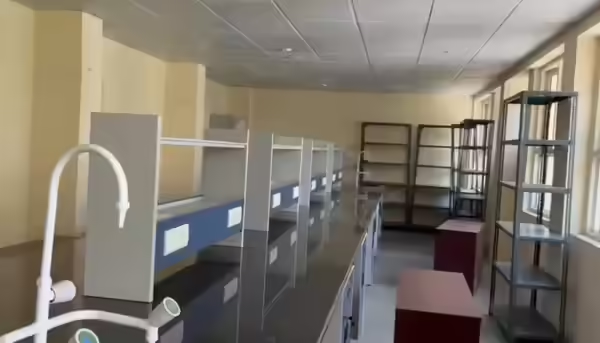
- No proper equipment in laboratories
- Lecture halls without air conditioning
- Extremely limited basic amenities like drinking water
- Overcrowded and poorly maintained classrooms
With temperatures rising close to 40°C, students claimed it had become extremely difficult to attend lectures in non-AC halls. Some even reported feeling dizzy and exhausted during classes due to heat and poor ventilation.
😰 The Real Struggle of Students
Medical education is not just theoretical learning—it heavily depends on practical training, lab work, and hands-on exposure. But in this case, students felt they were being deprived of even the basics.
🧪 1. Incomplete Lab Facilities
Students reported that laboratories lacked essential equipment required for practical learning in subjects like physiology and biochemistry. This directly affects their understanding of core medical concepts.
💧 2. Lack of Basic Amenities
Even drinking water was not properly available on campus. Many students had to rely on outside sources for basic needs, which added to daily inconvenience.
🌡️ 3. Extreme Heat in Classrooms
Without air conditioning and with limited fans, classrooms became uncomfortable and exhausting, especially during peak summer conditions. Students said it impacted their concentration and learning efficiency.
💸 Fees vs Reality – The Big Question
One of the most concerning aspects of the situation is the fee structure. Students reportedly pay around ₹1.25 lakh per year in fees.
This raises a very important question:
👉 If students are paying this much, why are basic facilities still missing?
Many students expressed frustration, saying that expectations from a medical college were far higher compared to what they were actually experiencing.
🗣️ What Did the College Say?
The college administration responded by addressing the concerns raised by students.
They stated that:
- The campus infrastructure is partly based on older hospital buildings
- Work is already underway to install air conditioning systems
- Temporary arrangements have been made for classes
- Some lectures have been shifted to better-equipped wards
The administration also assured that improvements would be made in the coming weeks to resolve the issues.
⚖️ Is This Just an Isolated Case?
Unfortunately, this incident is not entirely unique. Across India, several newly established or developing medical colleges face similar challenges, such as:
- Incomplete infrastructure
- Shortage of faculty
- Limited clinical exposure
- Delayed facility upgrades
While India is expanding medical education rapidly to meet demand, quality and infrastructure development sometimes lag behind.
🧠 Important Lesson for NEET Aspirants
If you are preparing for NEET or planning to pursue MBBS, this incident carries an important message:
👉 Getting a seat is not enough
👉 Choosing the right college matters just as much
Many students focus only on marks and admission, but later realize that college infrastructure and training quality significantly impact their medical career.
📌 Things You Should Check Before Choosing a Medical College
Before finalizing any MBBS college, students should carefully evaluate:
✔ Infrastructure
- Are laboratories fully equipped?
- Are lecture halls properly maintained?
✔ Hospital Exposure
- Is there enough patient flow?
- Will students get real clinical experience?
✔ Basic Facilities
- Hostel conditions
- Water supply
- Classroom environment
✔ Student Feedback
- Talk to current students or alumni
- Check honest reviews online
⚠️ Government College Doesn’t Always Mean Perfect
There is a common belief that government medical colleges are always better than private ones. While top institutions like AIIMS are excellent, not all government colleges offer the same quality.
Newly established government colleges may still be developing infrastructure and facilities, which can directly affect student experience.
🔍 Was the Student Protest Justified?
From an objective point of view, the students’ concerns appear valid:
- Basic academic facilities were missing
- Learning environment was affected
- Health and comfort issues were reported
In such situations, student protests often become a way to draw attention to urgent infrastructure needs.
🚀 Bigger Picture: India’s Medical Education System
India produces thousands of doctors every year, but the system still faces challenges like:
- Uneven quality across colleges
- Infrastructure gaps
- Pressure on faculty and resources
- High competition for limited top colleges
While expansion is necessary, maintaining quality is equally important for producing competent doctors.
🧠 Final Verdict: What This Incident Really Teaches Us
The Noida MBBS student strike is more than just a news headline—it reflects a deeper issue in medical education.
👉 Students deserve proper infrastructure
👉 Fees should match facilities
👉 Quality education should be a priority
For aspiring doctors, this is a reminder that choosing a medical college is not just about getting admission—it is about securing a strong foundation for your future career.
💬 Final Thought
Becoming a doctor is not just about clearing NEET or getting a seat in MBBS. It is about learning in an environment that supports growth, practice, and confidence.
If the foundation is weak, the future of medical training is also at risk.
–Content Writer and SEO – Riya Singh