
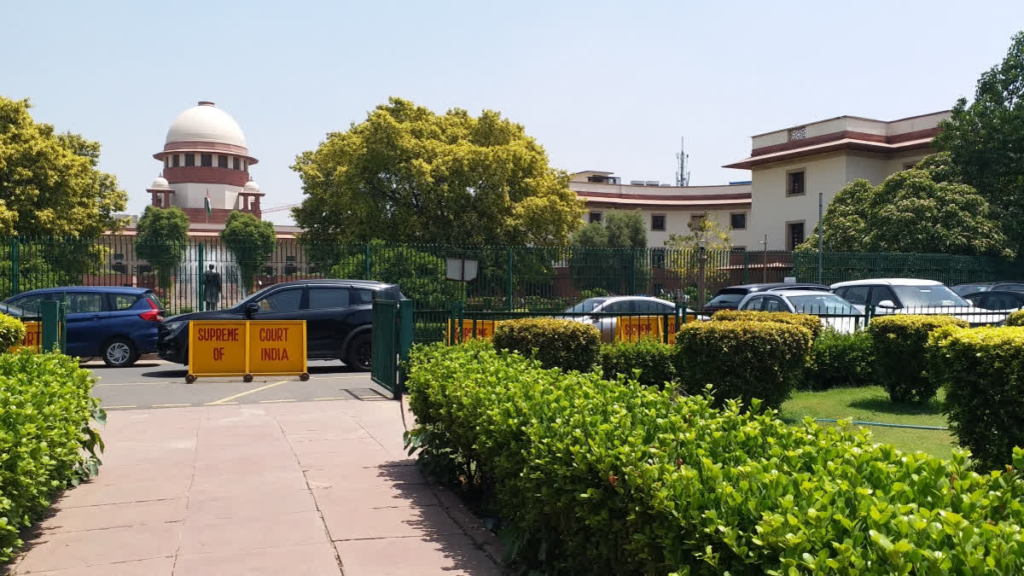
The National Eligibility cum Entrance Test for Postgraduate (NEET PG) has once again become the center of national attention. In a significant development, the Central Government informed the Supreme Court that it has constituted a 12-member expert committee to conduct a comprehensive audit of the NEET PG admission system. The move comes amid ongoing legal challenges regarding the reduction of qualifying percentile cut-offs and broader concerns about transparency, fairness, and merit in postgraduate medical admissions.
This decision is expected to shape the future of medical entrance examinations in India by identifying existing flaws and recommending practical reforms.
Why Was the Expert Committee Formed?
The Supreme Court has been hearing petitions challenging the government’s decision to reduce the qualifying percentile for the NEET PG 2025 examination.
Petitioners argued that lowering the cut-off significantly compromises merit and could affect the quality of postgraduate medical education. They claimed that such decisions may impact patient safety by allowing candidates with much lower qualifying standards to enter specialized medical courses.
During the hearing, the Centre informed the Court that it has already established an expert panel to conduct an independent review of the existing NEET PG admission process.
Objectives of the 12-Member Committee
According to the Centre, the committee has been assigned several important responsibilities, including:
- Conducting a comprehensive audit of the existing NEET PG admission system.
- Identifying loopholes and weaknesses in the current process.
- Consulting multiple stakeholders, including medical institutions and examination authorities.
- Recommending practical and implementable reforms.
- Improving transparency, fairness, and efficiency in future NEET PG admissions.
Rather than focusing on a single issue, the committee will evaluate the entire admission mechanism.
Who Is Part of the Committee?
The committee has been constituted under the Directorate General of Health Services (DGHS).
It includes senior representatives from:
- Directorate General of Health Services (DGHS)
- National Medical Commission (NMC)
- National Board of Examinations (NBE)
- National Testing Agency (NTA)
- Ministry of Health and Family Welfare
- Other senior medical education experts and government officials.
This multi-agency representation is intended to ensure that every stage of the admission process is examined thoroughly.
Supreme Court’s Directions
The Supreme Court directed the committee to:
- Invite suggestions from all relevant stakeholders.
- Conduct a detailed review of the existing system.
- Submit its final report within 8 weeks.
The matter will be listed again before the Court after the committee submits its recommendations.
What Triggered the Legal Challenge?
The controversy revolves around the government’s decision to reduce the qualifying percentile for NEET PG.
Under the revised criteria:
- General category qualifying score was reduced substantially.
- SC/ST/OBC qualifying score was also lowered significantly.
The petitioners argued that changing eligibility standards after the examination process had begun undermines merit and fairness. They also claimed the decision violates constitutional principles of equality and quality medical education.
Why Is This Audit Important?
The committee’s review goes beyond the issue of cut-offs.
It is expected to evaluate several aspects of the NEET PG system, such as:
1. Admission Transparency
Candidates have repeatedly demanded a more transparent admission process, including clearer counseling procedures and seat allocation mechanisms.
2. Merit-Based Selection
The audit may recommend stronger safeguards to ensure deserving candidates receive admissions based on merit.
3. Standardized Policies
Different policy decisions over recent years have created confusion among aspirants. A standardized framework could reduce uncertainty.
4. Examination Governance
The committee may also examine how different agencies coordinate in conducting examinations and admissions.
Impact on Future NEET PG Aspirants
Although the committee’s recommendations will not immediately change the current admission cycle, they could influence future examinations in several ways.
Possible reforms may include:
- Better admission policies.
- Improved counseling mechanisms.
- Greater transparency during seat allotment.
- Clearer qualifying rules.
- Stronger monitoring and accountability.
For future NEET PG candidates, these reforms could make the admission process more predictable and fair.
What Should Current Aspirants Do?
Candidates preparing for upcoming NEET PG examinations should continue their preparation without panic.
At present:
- The examination system remains unchanged.
- Counseling continues according to existing rules.
- The committee has only begun its review process.
- Any major reforms will likely be implemented after the committee submits its report and the government considers its recommendations.
Students should rely only on official announcements from the concerned authorities rather than social media speculation.
Will the Committee Change the Exam Pattern?
As of now, there has been no announcement regarding changes in:
- NEET PG syllabus
- Exam pattern
- Number of questions
- Marking scheme
- Counseling schedule
The committee’s current mandate is to audit the admission system and recommend improvements. Any structural changes would require separate policy decisions after reviewing the committee’s report.
Expert Opinion
Medical education experts have long argued that admission reforms should focus not only on eligibility criteria but also on transparency, counseling efficiency, seat allocation, and accountability.
The formation of a multidisciplinary expert committee indicates that policymakers are taking a broader view of postgraduate medical admissions rather than addressing only one controversy.
If implemented effectively, the recommendations could strengthen confidence in India’s postgraduate medical admission system.
Conclusion
The Centre’s decision to establish a 12-member expert committee marks an important step toward reviewing India’s NEET PG admission framework. Under the supervision of the Supreme Court, the committee will examine existing policies, identify shortcomings, consult stakeholders, and recommend practical reforms within eight weeks.
While no immediate changes have been announced, the committee’s findings may significantly influence future postgraduate medical admissions. For thousands of aspiring doctors, the audit offers hope for a more transparent, merit-based, and efficient NEET PG system in the coming years.
Book your Free consultancy: 9350777177 / https://reliablestudy.com/
– Content Writer and SEO – Riya Singh
All right reserved – Reliable Study / https://reliablestudy.com/
FAQs
To conduct a comprehensive audit of the existing NEET PG admission system and recommend reforms.
The committee includes representatives from DGHS, NMC, NBE, NTA, and the Ministry of Health.
The committee has been asked to submit its report within 8 weeks.
No official changes have been announced yet.
The Court is examining petitions challenging the reduction in NEET PG qualifying percentile and its impact on merit and medical education quality.