
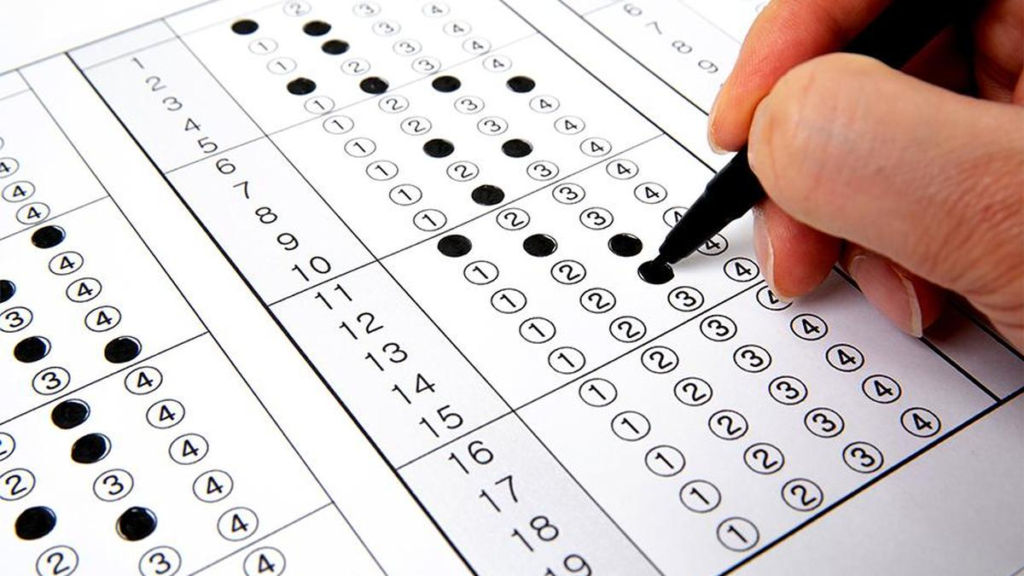
For lakhs of students across India, NEET is much more than just an entrance examination—it is the gateway to their dream of becoming a doctor. Every answer marked on the OMR sheet can decide a student’s future. That is why even a small doubt regarding the evaluation process can create anxiety among candidates and parents alike.
Recently, another controversy has emerged after a Karnataka-based NEET 2026 aspirant demanded access to her original OMR sheet, claiming that the scanned copy available online does not match what she remembers filling during the examination. The issue surfaced even after nationwide protests at Delhi’s Jantar Mantar, where several students had already raised concerns regarding transparency in the NEET examination process.
The incident has once again started discussions about how important transparency and accountability are in India’s biggest medical entrance examination.
Why Is This Case Making Headlines?
According to reports, the Karnataka student believes there are significant differences between the answers she marked during the examination and the scanned OMR sheet released later. She claims that these discrepancies may have affected her final score and ultimately her chances of securing an MBBS seat.
After repeatedly contacting the National Testing Agency (NTA), the student reportedly sought access to her original physical OMR sheet for verification. However, she alleges that she has not received a satisfactory response so far.
The matter has gained national attention because thousands of students are already questioning different aspects of the NEET 2026 examination process.
Understanding the Importance of the OMR Sheet
An Optical Mark Recognition (OMR) sheet records every answer a candidate marks during the examination.
Once the exam is over, the OMR sheet becomes one of the most important documents because it forms the basis of score calculation. Students often download the scanned copy released by NTA to compare their responses with the official answer key.
If a student believes that the scanned OMR differs from the original responses, it naturally raises concerns about evaluation accuracy.
For aspirants, the OMR sheet represents proof of their performance. Any mismatch can directly impact their rank, counselling opportunities, and admission prospects.
Student’s Main Allegations
As per media reports, the Karnataka candidate has raised several concerns, including:
- The scanned OMR sheet allegedly does not match the answers she remembers marking.
- She reportedly noticed procedural inconsistencies during the examination.
- She requested access to the original OMR sheet for verification.
- Despite multiple attempts, she claims she has not received a satisfactory explanation from the authorities.
It is important to note that these are allegations made by the student and the matter remains under discussion.
Connection With the Jantar Mantar Protest
The controversy comes shortly after large-scale student protests at Delhi’s Jantar Mantar.
Many aspirants demanded greater transparency in the NEET examination process and sought reforms regarding evaluation, examination security, and grievance redressal systems. Several protests also focused on alleged irregularities and students’ demand for better accountability from examination authorities.
The Karnataka student’s case has therefore become part of a broader conversation about trust in competitive examinations.
Why Transparency Matters in Competitive Exams
NEET is among the largest entrance examinations in India, with millions of candidates appearing every year.
Since competition is extremely high, even one mark can significantly affect:
- All India Rank
- State Rank
- MBBS admission chances
- Government college eligibility
- Counselling options
- Scholarship opportunities
This is why candidates expect complete transparency at every stage—from conducting the examination to releasing results and OMR sheets.
Can Students Challenge Their OMR Sheet?
Generally, NTA provides candidates with access to their scanned OMR response sheets and answer keys.
If candidates notice any discrepancy, they can submit objections within the prescribed timeline, following the official guidelines announced during the examination process.
However, requests related to the original physical OMR sheet depend on the agency’s procedures and applicable legal provisions.
Students should always rely on official notifications before filing any representation.
What Students Should Do If They Notice a Discrepancy
If you believe there is an issue with your NEET response sheet, consider these steps:
1. Download Your OMR Sheet
Always save the response sheet as soon as it becomes available.
2. Compare With the Answer Key
Cross-check every response carefully.
3. Keep Supporting Evidence
Maintain screenshots, application details, and relevant documents.
4. Raise Objections Within the Deadline
Submit any challenge through the official portal if permitted.
5. Contact Official Authorities
Reach out through official NTA grievance channels and keep records of all communications.
What This Means for Future NEET Aspirants
Incidents like these remind students of the importance of staying informed throughout the admission process.
Future NEET aspirants should:
- Read every official notification carefully.
- Preserve all examination-related documents.
- Download OMR sheets immediately after release.
- Verify responses without delay.
- Follow official grievance procedures if required.
Remaining alert can help candidates avoid unnecessary complications later.
The Need for Stronger Trust in Examination Systems
Competitive examinations play a crucial role in shaping students’ careers. Therefore, maintaining public trust is equally important.
Experts believe that transparent evaluation systems, faster grievance resolution, and better communication between examination authorities and candidates can reduce confusion and improve confidence in the process.
Whether or not the Karnataka student’s allegations are ultimately upheld, the case highlights the importance of addressing student concerns promptly and transparently.
Conclusion
The Karnataka student’s demand for access to her original NEET 2026 OMR sheet has once again brought examination transparency into the national spotlight. As students across the country continue to place immense trust in the NEET examination system, timely clarification and effective grievance handling become essential.
For every NEET aspirant, the key takeaway is to remain informed, preserve all examination records, and rely only on official announcements during every stage of the admission process.
Regardless of the outcome of this specific case, the discussion has reinforced one important lesson: transparency and accountability are vital for maintaining confidence in one of India’s most competitive entrance examinations.
Book your Free consultancy: 9350777177 / https://reliablestudy.com/
– Content Writer and SEO – Riya Singh
All right reserved – Reliable Study / https://reliablestudy.com/
FAQs
She alleges discrepancies between the scanned OMR sheet and the answers she remembers marking during the exam.
It is the Optical Mark Recognition sheet that records all answers marked by the candidate during the examination.
Yes, students can raise objections according to the official NTA guidelines during the objection window.
No. The issue currently relates to an individual student’s complaint, though it has renewed broader discussions about examination transparency.
They should immediately compare it with the answer key, preserve evidence, and contact NTA through the official grievance process within the prescribed timeline.