
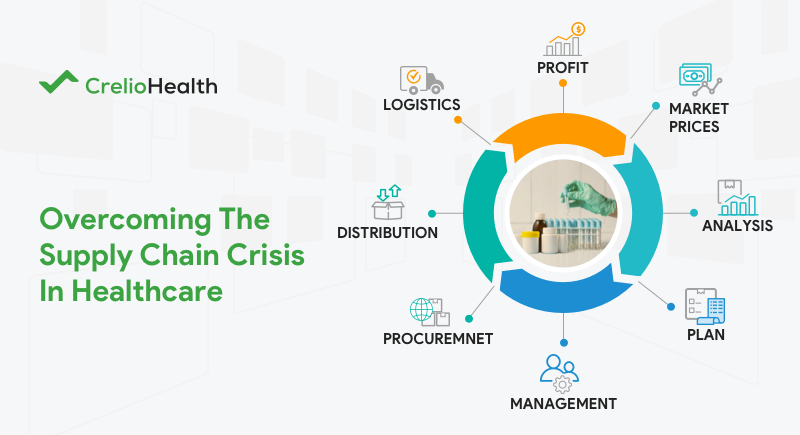
The global healthcare industry depends heavily on the consistent supply of medical devices and essential equipment. In recent months, India’s medical device sector has started experiencing serious disruptions due to global geopolitical tensions, supply chain issues, and rising raw material costs. One of the major triggers behind this crisis is the ongoing geopolitical conflict involving Iran, which has started to impact global trade routes and the supply of critical raw materials.
These disruptions are now creating a supply crunch in the medical device industry, raising concerns among manufacturers, healthcare providers, and policymakers. Rising raw material prices, dependence on imports, and domestic gas supply issues are all contributing to the growing challenge. If the situation continues, it could affect the availability and affordability of essential medical devices used in hospitals and healthcare facilities.
Rising Prices of Polypropylene (PP)
One of the most significant challenges currently facing the medical device industry is the rising cost and potential shortage of polypropylene (PP). Polypropylene is a thermoplastic polymer that serves as a critical raw material in the manufacturing of many medical products. Its versatility, strength, and safety make it ideal for producing disposable medical equipment that must meet strict hygiene and safety standards.
Several essential medical products rely on polypropylene, including:
- Syringes
- IV bags
- Catheter components
- Blood bags
- Surgical drapes
- Disposable medical tools
According to industry experts, the price of polypropylene has increased by more than ₹55 per kilogram since December, with a particularly sharp surge recorded in March. Experts have described this price increase as unprecedented. Even during the peak of the COVID-19 pandemic, when global supply chains were under severe pressure, the market did not witness such rapid increases in polypropylene prices.
The sharp rise in PP prices is making it increasingly difficult for manufacturers to maintain stable production costs. Since many medical devices are regulated and sold under controlled pricing systems, companies often cannot easily pass the increased cost on to hospitals and healthcare providers. As a result, manufacturers are facing growing financial pressure.
Surge in Plastic Raw Material Costs
Beyond polypropylene, the prices of other plastic raw materials used in medical device manufacturing have also surged significantly. Reports suggest that plastic raw material costs have increased by 25% to 35% within just the past 10 to 12 days.
This sudden spike in raw material prices is particularly concerning for small and medium enterprises (SMEs). SMEs form the backbone of India’s medical device manufacturing ecosystem, accounting for nearly 90% of the sector’s total manufacturing base.
Unlike large multinational corporations, many SMEs operate with limited financial reserves and tighter operating margins. Rapid increases in raw material costs can quickly disrupt their production cycles, forcing some companies to slow down or temporarily halt manufacturing.
If smaller manufacturers struggle to maintain production, it could lead to a reduction in the supply of essential medical devices across the healthcare system.
Dependence on Imports
Another major factor contributing to the supply crunch is India’s heavy reliance on imported medical technology and components. While India has made progress in building its domestic medical device manufacturing capabilities, the country still imports a significant portion of:
- Advanced medical devices
- Diagnostic equipment
- Critical electronic components
- Specialized medical materials
Many of these imports travel through international shipping routes connected to the Middle East, which serves as an important global logistics hub. Due to the ongoing geopolitical tensions in the region, several trade and shipping routes are experiencing delays, restrictions, or increased transportation costs.
These disruptions are making it more difficult for Indian manufacturers to obtain essential components required for producing finished medical devices. In some cases, delayed shipments are slowing down production lines, further contributing to supply shortages.
The situation highlights the vulnerability of the global healthcare supply chain. When geopolitical tensions disrupt a key region, industries across the world—including healthcare—can feel the ripple effects.
Domestic Gas Supply Crisis
In addition to global supply disruptions, the medical device industry in India is also facing challenges related to domestic energy supply. Recently, manufacturers received communication regarding gas rationing measures implemented by Adani Total Gas, which supplies industrial gas to various manufacturing sectors.
Gas plays an important role in several manufacturing processes involved in producing medical devices, including sterilization, molding, and processing of plastic components.
According to the communication sent to industry stakeholders:
- The medical device sector will receive only up to 40% of its daily contracted gas supply.
- Any consumption beyond this limit will be treated as excess gas usage and will be charged at significantly higher rates.
For manufacturers that depend heavily on gas-powered processes, this rationing could significantly disrupt production schedules. Companies producing high-volume items such as syringes may find it difficult to maintain consistent output levels.
Combined with rising raw material costs, this gas supply restriction is adding another layer of complexity to the industry’s operational challenges.
Impact on Healthcare Services
The combined impact of rising raw material costs, global supply chain disruptions, and domestic energy shortages could create serious challenges for the healthcare sector.
Medical devices such as syringes, IV bags, and blood bags are essential for everyday hospital operations. Any disruption in their supply could affect patient care, vaccination programs, emergency treatments, and routine medical procedures.
Hospitals and healthcare providers may face higher procurement costs if manufacturers are forced to increase prices to compensate for rising production expenses. In extreme cases, shortages of certain medical devices could temporarily affect hospital inventory levels.
This situation also raises concerns for public health programs that rely on a consistent supply of affordable medical devices. Government health initiatives, vaccination drives, and rural healthcare programs may experience logistical challenges if supply constraints worsen.
The Need for Strategic Solutions
The current supply crunch highlights the urgent need for long-term strategies to strengthen India’s medical device ecosystem. Experts suggest that the country must focus on several key areas to improve resilience:
- Strengthening domestic manufacturing capabilities to reduce dependence on imports.
- Diversifying supply chains to avoid over-reliance on a single region for raw materials and components.
- Encouraging research and innovation in alternative materials and production technologies.
- Improving infrastructure and logistics systems to ensure smoother movement of critical supplies.
Government initiatives such as the Production Linked Incentive (PLI) scheme for medical devices have already started encouraging domestic manufacturing. However, continued investment and policy support will be necessary to build a more resilient supply chain.
Conclusion
India’s medical device industry is currently navigating a challenging period marked by rising raw material prices, global geopolitical disruptions, and domestic supply constraints. The increasing cost of polypropylene and other plastic materials, combined with gas rationing and supply chain disruptions, has created a significant supply crunch.
If these challenges persist, they could impact the availability and affordability of essential medical devices used across the healthcare system. However, the crisis also presents an opportunity for India to strengthen its domestic manufacturing capabilities and build a more resilient healthcare supply chain.
By focusing on innovation, policy support, and supply chain diversification, the country can work toward ensuring a stable and sustainable medical device ecosystem that supports both healthcare providers and patients in the years ahead.