
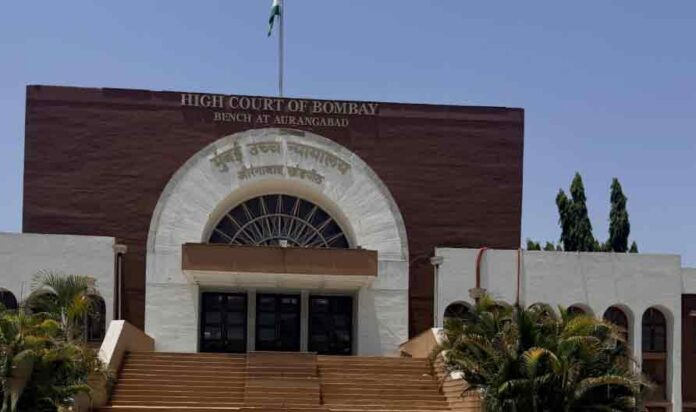
The legal battle surrounding NEET UG 2026 has taken another important turn. The Bombay High Court has dismissed four petitions filed by candidates who challenged the results of the NEET UG re-test. Along with rejecting the petitions, the court imposed a ₹5,000 fine on each petitioner, stating that there was no evidence to support the allegations against the National Testing Agency (NTA).
This judgment is significant because thousands of students have been closely following every legal update related to NEET 2026. After months of uncertainty surrounding the examination, the court’s decision brings greater clarity about the validity of the re-test results and reinforces the importance of relying on verified evidence rather than speculation.
Why Were These Petitions Filed?
The controversy began after four NEET candidates claimed that the marks shown in their results did not match their actual performance in the examination. They alleged discrepancies in the evaluation of their OMR answer sheets and requested judicial intervention.
According to the petitions, the students believed that there had been mistakes in the evaluation process and sought verification of their original answer sheets. They approached the Bombay High Court hoping the court would order a review of their results.
Court Ordered Verification of Original OMR Sheets
Recognizing the seriousness of the allegations, the Aurangabad Bench of the Bombay High Court directed the NTA to produce the original OMR answer sheets in sealed covers.
The court carefully examined the original documents in the presence of all concerned parties, including:
- Students
- Parents
- Legal representatives
- NTA officials
This transparent verification process ensured that every claim received proper judicial attention before any conclusion was reached.
What Did the Court Find?
After examining the original OMR sheets, the judges concluded that:
- The marks awarded by NTA matched the answers recorded on the original OMR sheets.
- No discrepancy or manipulation was found.
- The evaluation process followed by NTA was consistent with the submitted answer sheets.
Based on these findings, the court held that the allegations made by the petitioners were unsupported by evidence.
Four Petitions Dismissed
During the hearing:
- Two petitions were dismissed on merit after verification of the answer sheets.
- The remaining two petitioners withdrew their cases after the court indicated that no relief would be granted.
Ultimately, all four petitions came to an end without any change in the NEET re-test results.
₹5,000 Fine Imposed on Each Petitioner
One of the most talked-about aspects of the judgment is the penalty imposed by the High Court.
Each petitioner has been directed to pay ₹5,000 to the National Testing Agency (NTA).
The court observed that allegations involving examination records should be backed by credible evidence before legal proceedings are initiated. Unsupported claims not only consume judicial time but can also create unnecessary confusion among lakhs of students awaiting admissions.
NTA’s Stand Throughout the Case
The National Testing Agency informed the court that the candidates had already used the official grievance mechanism before approaching the High Court.
According to NTA:
- Students had raised the same concerns through the official OMR challenge process.
- The agency had examined those complaints.
- Appropriate replies had already been provided.
NTA also reiterated that candidates should use the prescribed grievance process instead of spreading unverified allegations regarding OMR sheets.
What This Means for NEET 2026 Students
For lakhs of medical aspirants, this judgment carries several important messages.
1. The Re-Test Results Continue to Remain Valid
The High Court has upheld the authenticity of the NEET re-test evaluation after independently verifying the original answer sheets.
2. Evidence Matters
Students who believe there is an issue with their results should first rely on the official grievance process and maintain proper documentation before seeking legal remedies.
3. Avoid Social Media Rumours
NEET 2026 has witnessed numerous claims regarding OMR discrepancies. This case demonstrates that not every viral claim is supported by factual evidence.
Importance of the Official OMR Challenge Process
Every year, NTA provides candidates with opportunities to:
- View their recorded responses
- Access scanned OMR sheets
- Challenge answer keys within the prescribed timeline
- Submit grievances through official channels
These mechanisms are designed to ensure transparency and fairness in the examination process.
Students should always use these official procedures instead of relying on unofficial claims or misinformation circulating online.
Impact on NEET Counselling
The judgment is expected to bring greater confidence to the ongoing NEET admission process.
With the court confirming that no discrepancy existed in the examined answer sheets, counselling authorities can proceed without uncertainty related to these particular petitions.
This decision also reassures colleges and candidates that the admission process is based on verified examination records.
Lessons Every NEET Aspirant Should Learn
This case offers valuable lessons beyond the courtroom.
Students should:
- Preserve copies of all examination records.
- Download official OMR sheets promptly.
- Check results only through official portals.
- Avoid forwarding unverified social media posts.
- Use NTA’s grievance mechanism if any genuine issue arises.
Being informed and following official procedures can help students avoid unnecessary confusion during the admission process.
Looking Ahead
Although the legal proceedings in these four petitions have concluded, NEET continues to remain one of India’s most competitive examinations.
Authorities are expected to keep improving transparency, security, and grievance redressal systems to maintain students’ trust in the examination process.
For aspirants, the best strategy remains focusing on preparation, following official announcements, and avoiding misinformation.
Conclusion
The Bombay High Court’s decision to dismiss four NEET UG 2026 re-test petitions and impose a fine on the petitioners marks an important development in this year’s examination process. After personally examining the original OMR answer sheets, the court found no discrepancies and upheld the evaluation conducted by the National Testing Agency.
The verdict reinforces the credibility of the official evaluation process while reminding candidates that legal challenges should be supported by concrete evidence. For the vast majority of NEET aspirants, this ruling brings greater certainty as the admission and counselling process moves forward.
Book your Free consultancy: 9350777177 / https://reliablestudy.com/
– Content Writer and SEO – Riya Singh
All right reserved – Reliable Study / https://reliablestudy.com/
FAQs
The court found no discrepancies after examining the original OMR answer sheets submitted by NTA.
Each petitioner was directed to pay a fine of ₹5,000.
No. The court confirmed that the marks matched the original OMR answer sheets.
Yes. Students should use the official NTA grievance redressal process within the prescribed timeline.
The ruling supports the validity of the re-test results and helps the counselling process proceed without changes related to these petitions.