
For the past few years, Uzbekistan has emerged as one of the most popular destinations for Indian students pursuing MBBS abroad. With promises of low fees, easy admission processes, and English-medium instruction, thousands of students from India have chosen Central Asian universities as an alternative to expensive private medical colleges in India.
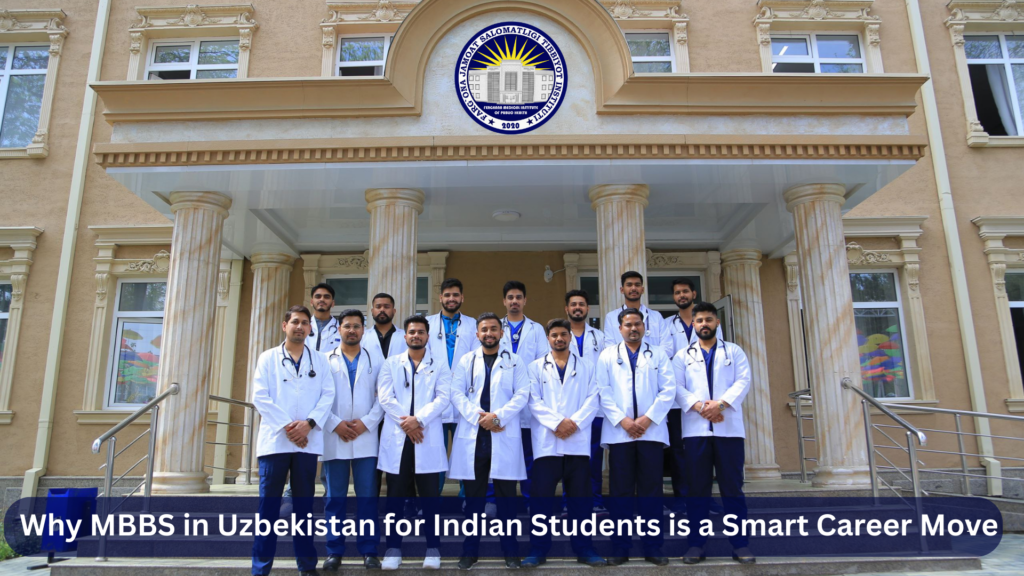
However, a recent wave of student complaints has brought serious concerns into focus. According to reports, several Indian students claim that medical education quality in Uzbekistan is extremely poor, with some even describing it as “virtually non-existent.”
These allegations have sparked a major debate about the reality of MBBS abroad programs, the role of education consultants, and the risks students face when choosing foreign medical universities without proper verification.
Why Uzbekistan Became a Popular MBBS Destination
Over the last decade, Uzbekistan has attracted a large number of Indian MBBS aspirants due to several reasons:
- Lower tuition fees compared to Indian private medical colleges
- No requirement of high NEET scores in some cases (earlier trends)
- Easy admission process through agents and consultants
- Promises of English-medium classes
- Availability of seats when India’s medical competition is intense
According to data, thousands of Indian students have enrolled in Uzbek institutions in recent years, making it one of the major hubs for MBBS abroad.
But behind these attractive promises, students are now reporting a very different reality.
What Students Are Saying: Ground Reality Inside Uzbek Medical Colleges
Students currently studying in Uzbekistan have raised multiple concerns about the actual quality of education and campus life.
📌 1. Lack of proper teaching quality
Many students claim that:
- Teachers are not fluent in English
- Lectures are poorly structured or incomplete
- Students often rely on self-study instead of classroom learning
- There is minimal academic guidance from faculty
One student described the experience as frustrating, saying that they are “forced into self-study most of the time.”
📌 2. Poor academic infrastructure
Reports suggest issues such as:
- Lack of proper classroom facilities
- Inadequate lab equipment for practical training
- Limited access to modern medical learning tools
- Weak academic support systems
For a field like medicine, where practical exposure is critical, these gaps are becoming a serious concern.
📌 3. Hostel and living conditions
Apart from academics, students have also complained about:
- Poor hostel maintenance
- Unhygienic living conditions
- Lack of proper administrative response
- Slow grievance redressal systems
Many students say they face difficulties adjusting to basic living standards, which affects their mental well-being and studies.
The Bigger Concern: Is Medical Education Truly Effective?
The biggest question raised by students is whether they are actually receiving proper medical education or just a degree certificate at the end.
Medical education requires:
- Strong theoretical understanding
- Hands-on clinical exposure
- Patient interaction training
- Proper hospital internships
However, students claim that many institutions in Uzbekistan fail to provide these essential components effectively.
This raises concerns about whether graduates will be able to:
- Clear licensing exams like FMGE/NExT in India
- Compete in real clinical environments
- Meet global medical standards
Regulatory Concerns and Warnings
Indian authorities, including medical education regulators, have repeatedly warned students to be cautious while choosing foreign medical universities.
Some key concerns include:
- Admission in universities beyond capacity
- Irregularities in compliance with medical education standards
- Questions about eligibility for practice in India
- Need for proper verification before admission
The Indian Embassy in Uzbekistan has also advised students to carefully verify institutions and consult reliable sources before enrolling.
These warnings highlight that not all foreign medical colleges meet the standards required for Indian medical practice.
Why Students Still Choose Uzbekistan Despite Risks
Despite these issues, thousands of students still choose Uzbekistan every year. The reasons include:
💰 1. Lower cost compared to India
Private MBBS colleges in India can cost ₹60 lakh to ₹1 crore, while Uzbekistan offers comparatively cheaper options.
📉 2. High competition in India
Limited MBBS seats in India force many students to look abroad.
📞 3. Influence of agents and consultants
Many students rely heavily on education consultants who market foreign universities aggressively.
🎯 4. Dream of becoming a doctor
For many students, studying abroad is seen as the only available pathway to fulfill their medical career dreams.
The Reality Check: Challenges of MBBS Abroad
Experts and education analysts highlight several challenges faced by Indian students abroad:
⚠️ Language barriers
Even when courses are “English medium,” practical communication often happens in local languages.
⚠️ Lack of clinical exposure
Some universities do not have strong hospital attachments, limiting real-world learning.
⚠️ Exam difficulty after return to India
Students must clear FMGE or NExT to practice in India, and poor-quality education makes this extremely difficult.
⚠️ Mental stress and isolation
Living in a foreign country with poor facilities adds emotional and psychological pressure.
What Experts Recommend
Education experts suggest that students should:
- Verify university accreditation carefully
- Check FMGE/NMC recognition status
- Avoid blindly trusting agents
- Speak to existing students before admission
- Prioritize clinical training quality over low fees
They also emphasize that MBBS is not just a degree—it is a responsibility-based profession, and poor training can have serious long-term consequences.
Conclusion
The concerns raised by students about Uzbekistan’s medical education system highlight a much larger issue in the MBBS abroad ecosystem.
While Uzbekistan remains a popular destination due to affordability and accessibility, reports of poor teaching quality, weak infrastructure, and inadequate clinical exposure raise serious questions about its effectiveness as a medical education hub.
For aspiring doctors, this serves as an important reminder: choosing a medical college is not just about getting admission—it is about securing a strong foundation for a lifelong profession.
As the demand for MBBS abroad continues to grow, stricter verification, better regulation, and more awareness among students are urgently needed to ensure that dreams of becoming a doctor do not turn into academic struggles later.