
The Supreme Court of India has delivered an important decision for NEET‑UG aspirants and parents about what happens to MBBS seats that become vacant due to fraud in admissions. Instead of letting such seats go unused, the court has clarified how they should be filled — putting merit and fairness first.
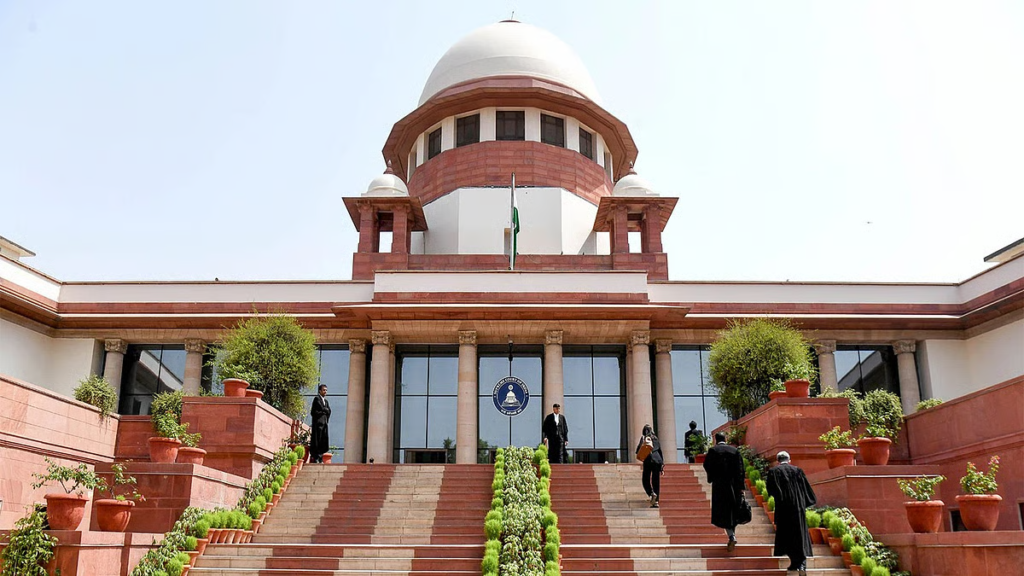
This ruling affects how medical colleges and the National Medical Commission (NMC) handle empty seats when a candidate’s admission is cancelled because they used fake documents or fraudulent marksheets. Here’s a clear, student‑friendly breakdown of the verdict, the background of the case, and what it means for future NEET‑UG counselling.
What Happened in the Case?
The issue arose from a NEET‑UG 2022 admission in Himachal Pradesh. A student who had secured a seat in a government medical college was later found to have gained admission using a forged marksheet — a fake scorecard. Once the fraud was uncovered, the student’s admission was cancelled and the seat became vacant.
Ordinarily, when a seat becomes vacant during counselling, it is filled through further rounds of the Medical Counselling Committee (MCC) or state counselling processes. However, in this case, the National Medical Commission (NMC) refused permission to re‑allot the seat to the next eligible student in the merit list simply because the admission period had passed. The authorities argued that late processing prevented redistribution.
This led the affected student to approach the Himachal Pradesh High Court, which ruled in their favour by directing that the vacant seat be given to the next eligible candidate in the merit list. The NMC challenged this ruling before the Supreme Court.
What Did the Supreme Court Decide?
The Supreme Court upheld the Himachal High Court’s decision and made a strong observation:
👉 Seats that become vacant due to fraud or bogus documents should not remain unused. They must be allotted to the next eligible candidate in merit.
The Court stressed that:
- A medical seat is not just an individual benefit; it is a public resource held in trust by regulators like NMC.
- Letting such a valuable seat go to waste because of administrative delay or reluctance goes against the purpose of the NEET‑UG counselling system.
- It is the duty of medical authorities to ensure that seats become available for genuine meritorious candidates rather than being left vacant or wasted.
In short, when a seat becomes free because of irregularities like forgery, the next student in the merit list — who was originally supposed to get that seat — must be offered admission.
Why This Decision Matters
This Supreme Court verdict is significant for several reasons:
1. It Protects Merit and Fairness
Medical seats, especially in government colleges, are highly competitive and limited. By ordering that vacant seats be given to the next eligible student in merit, the court is ensuring that hard‑working candidates don’t lose out because of someone else’s fraud or administrative hesitation.
2. It Prevents Wastage of Government Resources
Government medical college seats are funded by the public and meant to serve the nation’s healthcare needs. Allowing a seat to remain vacant does not just disadvantage students — it also undermines the country’s investment in medical education.
3. It Sets a Clear Rule for Future Counselling Rounds
Medical counselling rounds (AIQ, state quota, and stray vacancy rounds) already see many students missing out due to timing, procedural delays, or tie‑breaker issues. Now, if a seat becomes vacant due to fraud, authorities cannot refuse to fill it merely because deadlines have passed.
How Vacant Seats Are Usually Filled in NEET‑UG
In the NEET‑UG counselling process, seats can become vacant for several reasons — students choose other colleges, don’t complete admission formalities, or seats are surrendered by colleges. The Medical Counselling Committee (MCC) and respective state counselling authorities typically fill these through:
- Mop‑up Rounds
- Stray Vacancy Rounds
These rounds give more students a chance to secure admission before the academic session begins. However, if a candidate’s seat becomes vacant due to fraud or fake credentials, the process needed legal clarity — which this Supreme Court verdict has now provided.
What This Means for Students Now and in Future
Here’s what aspirants and future NEET‑UG candidates should know:
✔ Genuine Candidates Get Priority
If a seat becomes vacant due to fake documents or fraud, it will now be given to the next eligible student in merit, rather than being wasted or left empty.
✔ Counselling Authorities Must Act Promptly
Administrative delays will no longer be a valid excuse for not filling vacant seats — authorities have a legal obligation to allot them based on merit.
✔ Integrity of NEET Admissions Is Strengthened
The ruling discourages dishonest practices and reinforces that honesty and merit are respected, even if irregularities are discovered later.
A Broader Context: Fraud in Medical Admissions
Unfortunately, fraud in medical admissions is not unheard of. Across India, authorities have uncovered various instances where candidates used fake certificates or forged scorecards to secure seats. These cases sometimes lead to legal battles, cancellations of admissions, and uncertainty for deserving students.
In one recent unrelated case, medical colleges cancelled a student’s MBBS admission after her fraudulent Scheduled Caste certificate was detected — demonstrating how widespread this issue can be if not checked.
Conclusion: A Win for Merit and Fair Play
The Supreme Court’s ruling sends a strong message that MBBS seats are too precious to waste — especially when they can help deserving students pursue a professional medical career. It reinforces the idea that merit will prevail, and that authorities must responsibly manage counselling outcomes when irregularities are uncovered.
For NEET‑UG aspirants and their families, this verdict brings assurance that the system will protect genuine candidates and not allow administrative gaps to block rightful admissions.