
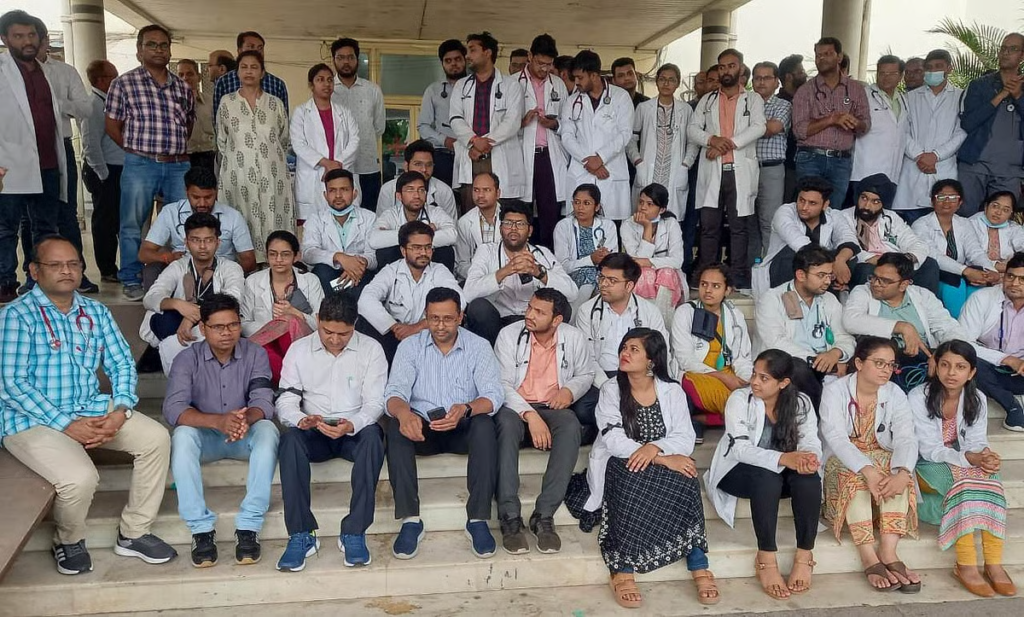
India’s medical education sector is undergoing significant reforms as the government intensifies efforts to regulate the rapid growth of under-resourced medical colleges. Authorities have raised concerns that several institutions lack the infrastructure, faculty, and clinical exposure required to properly train future doctors.
To address these issues, the National Medical Commission (NMC) has introduced stricter monitoring and regulatory measures. The move aims to ensure that medical colleges maintain high academic and healthcare standards while protecting students and patients from the risks associated with poorly equipped institutions.
This crackdown is expected to bring major changes to medical education in India and strengthen the quality of healthcare professionals graduating from Indian institutions.
⸻
The Growing Concern Over Medical College Expansion
Over the past decade, India has witnessed a rapid increase in the number of medical colleges. While this expansion was intended to address the shortage of doctors in the country, it also raised concerns about the quality of education being offered by some institutions.
Many newly established colleges were accused of operating with:
• Insufficient teaching faculty
• Limited clinical training opportunities
• Inadequate hospital facilities
• Poor laboratory and research infrastructure
Such shortcomings can significantly impact the training of medical students and their ability to provide quality healthcare in the future.
Recognizing these challenges, the National Medical Commission has taken a more proactive approach to regulating medical institutions across the country.
⸻
Role of the National Medical Commission
The National Medical Commission is the primary regulatory body responsible for maintaining standards in medical education and professional practice in India. It replaced the Medical Council of India in 2020 with the goal of improving transparency and accountability in medical regulation.
The commission oversees several critical aspects of medical education, including:
• Approval and recognition of medical colleges
• Curriculum development and training standards
• Faculty requirements
• Hospital infrastructure for clinical training
By tightening its regulatory framework, the commission aims to prevent the establishment of institutions that fail to meet these standards.
⸻
Key Measures Introduced by the NMC
To tackle the issue of under-resourced medical colleges, the National Medical Commission has implemented several new measures.
- Stricter Inspection Processes
Medical colleges are now subject to more frequent and detailed inspections. These inspections assess whether institutions meet the required standards in terms of infrastructure, faculty availability, and hospital facilities.
Surprise inspections may also be conducted to ensure that colleges maintain consistent compliance with regulations.
⸻
- Verification of Faculty and Staff
One of the major problems identified in some medical colleges is the shortage of qualified teaching faculty. To address this issue, regulators have introduced systems to verify the presence and credentials of faculty members.
This step ensures that students receive proper academic guidance and training from experienced medical professionals.
⸻
- Monitoring of Hospital Infrastructure
Clinical exposure is an essential part of medical education. Students must interact with real patients and participate in hospital-based training to develop practical skills.
The National Medical Commission has emphasized that affiliated teaching hospitals must maintain adequate patient flow, bed capacity, and medical facilities. Colleges that fail to meet these requirements may face penalties or loss of recognition.
⸻
- Strict Approval for New Medical Colleges
The commission has also tightened the process for approving new medical colleges. Institutions seeking approval must demonstrate that they possess sufficient resources, infrastructure, and faculty before they can admit students.
This measure aims to prevent the uncontrolled expansion of institutions that are not adequately prepared to provide quality medical education.
⸻
Why Quality Medical Education Matters
The quality of medical education directly influences the competence of doctors entering the healthcare system. Poorly trained medical professionals can pose serious risks to patient safety and public health.
High-quality medical training ensures that future doctors:
• Develop strong clinical skills
• Understand ethical medical practices
• Provide safe and effective patient care
• Contribute to medical research and innovation
By enforcing strict regulations, the National Medical Commission seeks to ensure that all medical graduates meet these standards.
⸻
Impact on Medical Students
The government’s crackdown on under-resourced medical colleges may have both short-term and long-term impacts on students.
Short-Term Effects
Some colleges that fail to meet regulatory standards may face restrictions or lose approval. This could temporarily affect student admissions in certain institutions.
However, these actions are intended to protect students from receiving inadequate training that could harm their future careers.
⸻
Long-Term Benefits
In the long run, stricter regulations are expected to improve the credibility and value of medical degrees in India. Students graduating from well-regulated institutions will likely receive better training and have stronger career prospects.
Improved education standards will also enhance India’s reputation in global medical education.
⸻
Strengthening India’s Healthcare System
India continues to face a shortage of qualified doctors, especially in rural and underserved areas. While increasing the number of medical colleges can help address this issue, it must be done without compromising educational quality.
By regulating the growth of medical institutions, the National Medical Commission aims to create a balanced approach that expands access to medical education while maintaining high standards.
Better-trained doctors ultimately contribute to stronger healthcare systems, improved patient outcomes, and greater public trust in medical services.
⸻
Challenges in Implementing Reforms
Although the crackdown is widely seen as a positive step, implementing these reforms may present certain challenges.
Some institutions may struggle to upgrade their infrastructure or recruit qualified faculty members within a short timeframe. Additionally, monitoring hundreds of medical colleges across the country requires significant administrative effort.
Despite these challenges, experts believe that stricter regulations are necessary to ensure long-term improvements in medical education.
⸻
The Future of Medical Education in India
The recent actions taken by the National Medical Commission reflect a broader effort to modernize and strengthen India’s medical education system.
Future reforms may include:
• Greater use of digital monitoring systems
• Improved medical curriculum and training methods
• Expansion of high-quality government medical colleges
• Increased emphasis on research and innovation
These developments could help India produce a new generation of skilled and ethical healthcare professionals.
⸻
Conclusion
The government’s decision to tighten regulations on under-resourced medical colleges marks a significant step toward improving medical education standards in India. By enforcing stricter inspections, verifying faculty qualifications, and ensuring adequate hospital infrastructure, the National Medical Commission aims to safeguard the quality of medical training.
Although these measures may initially create challenges for some institutions, they are essential for building a strong and reliable healthcare system. Ensuring that medical colleges meet proper standards will ultimately benefit students, doctors, and patients across the country.
As India continues to expand its healthcare sector, maintaining high-quality medical education will remain a crucial priority for the nation’s future.